

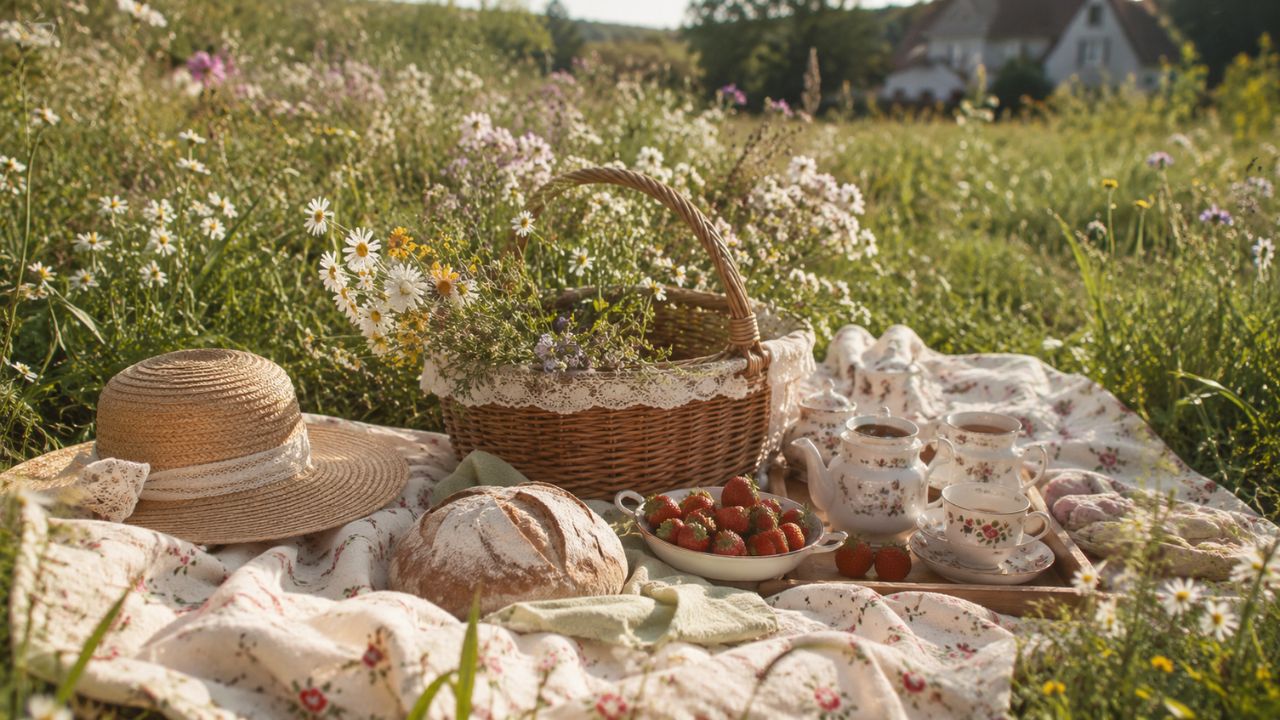
The appeal of the cottagecore aesthetic isn’t really about owning a countryside cottage or dressing like you’re stepping out of a historical novel. It’s about creating moments that feel slower, softer, and more intentional. That explains why the style has remained popular long after many internet trends faded. People aren’t simply copying floral dresses from Pinterest—they’re looking for a sense of comfort that feels increasingly rare.
Cottagecore Aesthetic What makes cottagecore especially interesting is its flexibility. Some people embrace it through vintage-inspired wardrobes, while others focus on decorating a small apartment with natural textures and dried flowers. Many mix it with modern fashion instead of chasing complete historical accuracy. The result is a personal style built around warmth rather than perfection. If you’ve admired cottagecore vibes but weren’t sure how to make them work in everyday life, the secret isn’t buying more things—it’s choosing pieces that create a consistent feeling.
Understanding the Cottagecore Aesthetic
Cottagecore Aesthetic At its heart, cottagecore celebrates rural simplicity, craftsmanship, and nature-inspired living. The fashion draws influence from English countryside traditions, vintage clothing, botanical gardens, and handmade textiles. Home décor follows similar principles, favouring wood, linen, ceramic pottery, woven baskets, antique furniture, and plenty of greenery.
One misconception is that cottagecore requires expensive antiques or a home surrounded by gardens. In reality, authenticity comes from thoughtful choices rather than price tags. A thrifted wooden chair often feels more genuine than brand-new furniture designed to imitate age.
Another characteristic that separates cottagecore from similar aesthetics is its emphasis on everyday rituals. Baking bread, pressing flowers, tending houseplants, reading beside a window, or sewing a missing button all fit naturally within the aesthetic because they celebrate making time for ordinary pleasures.
The colour palette reflects this philosophy. Soft sage greens, warm creams, muted browns, dusty rose, faded blue, butter yellow, and earthy terracotta create an atmosphere that feels calm without becoming dull. Bright colours aren’t forbidden, but they’re usually balanced with natural tones instead of dominating a space.
| Cottagecore Colour | Common Use |
| Sage Green | Walls, clothing, plants |
| Cream & Ivory | Bedding, knitwear, curtains |
| Warm Brown | Wooden furniture and accessories |
| Dusty Rose | Dresses, cushions, floral accents |
| Butter Yellow | Kitchens, ceramics, decorative details |
| Soft Blue | Bedrooms and vintage textiles |
Building a Cottagecore Wardrobe That Feels Authentic
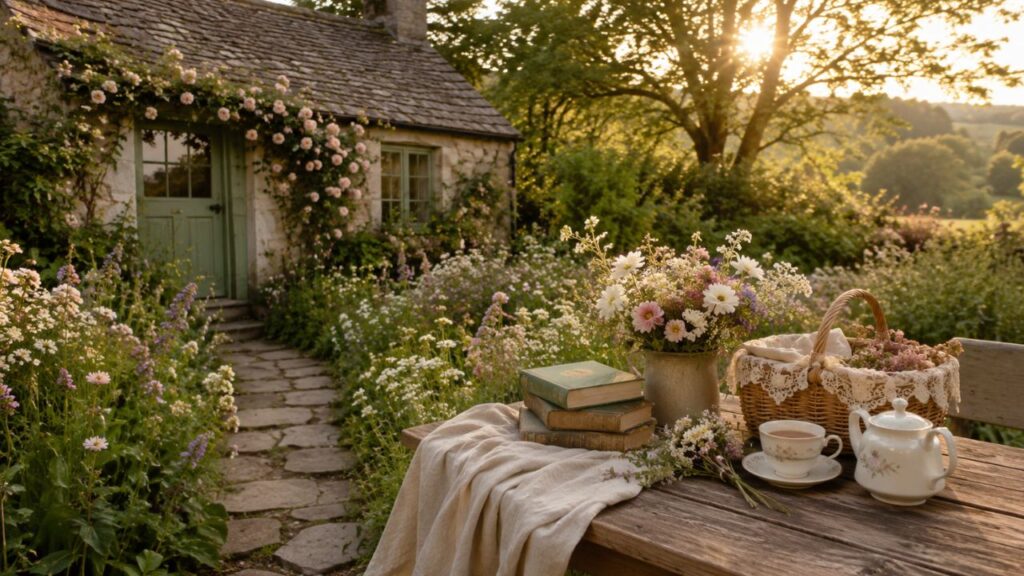
Cottagecore Aesthetic The strongest cottagecore wardrobes rarely look like costumes. Instead of buying every floral dress you see, focus on clothing that layers well and remains wearable throughout the year. Natural fabrics such as linen, cotton and wool age beautifully, becoming softer with use rather than wearing out quickly.
A simple linen blouse paired with a flowing midi skirt often creates a stronger cottagecore look than an outfit overloaded with lace and accessories. Texture matters as much as colour. Embroidery, eyelet fabric, cable-knit cardigans and gingham patterns add visual interest without overwhelming an outfit.
Cottagecore Aesthetic Footwear deserves more attention than many style articles give it. Leather loafers, ankle boots, Mary Jane shoes and simple lace-up boots complement the aesthetic while remaining practical enough for everyday wear. Comfortable shoes also reinforce one of cottagecore’s central ideas: clothing should support real life rather than exist only for photographs.
Accessories work best when they’re understated. Straw hats, woven bags, delicate lockets, silk ribbons, pearl earrings and vintage scarves add personality without competing for attention. If every accessory becomes a statement piece, the relaxed charm quickly disappears.
Many fashion enthusiasts also overlook seasonality. Cottagecore isn’t limited to spring florals. Autumn brings chunky knitwear, wool skirts and earthy colours. Winter embraces oversized scarves, textured coats and warm layers, while summer welcomes breathable linen and lighter botanical prints. Treating cottagecore as a year-round wardrobe rather than a seasonal costume creates a far more convincing style.
Creating a Cottagecore Home Without Renovating Everything
Cottagecore Aesthetic One of the biggest mistakes people make is trying to transform every room at once. The most inviting cottagecore homes evolve gradually. A vintage lamp discovered at a flea market often contributes more character than replacing an entire room with matching furniture.
Start by introducing natural materials. Wooden picture frames, linen tablecloths, ceramic vases and woven baskets immediately soften modern interiors. Fresh flowers are beautiful, but dried flowers often suit the aesthetic just as well while lasting for months.
Lighting changes a room more dramatically than most decorative items. Warm table lamps, candles and soft ambient lighting create the cosy atmosphere that defines cottagecore evenings. Bright white overhead lighting can make even beautifully decorated spaces feel sterile.
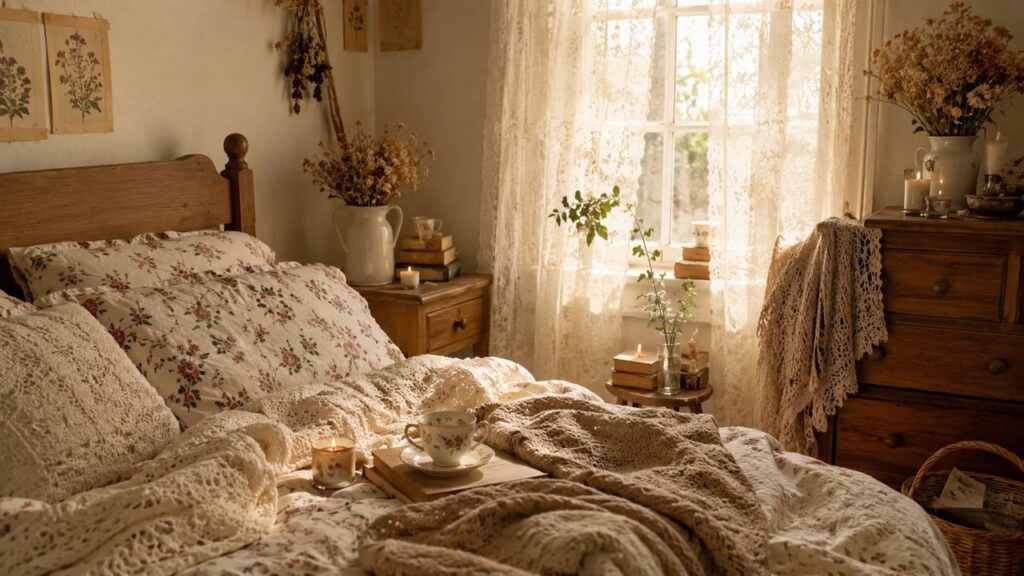
Cottagecore Aesthetic Bedrooms especially benefit from layered textures instead of excessive decoration. Linen bedding, knitted blankets, embroidered pillowcases and light cotton curtains add depth without creating visual clutter. Houseplants also play an important role, though choosing a few healthy plants usually looks better than filling every shelf.
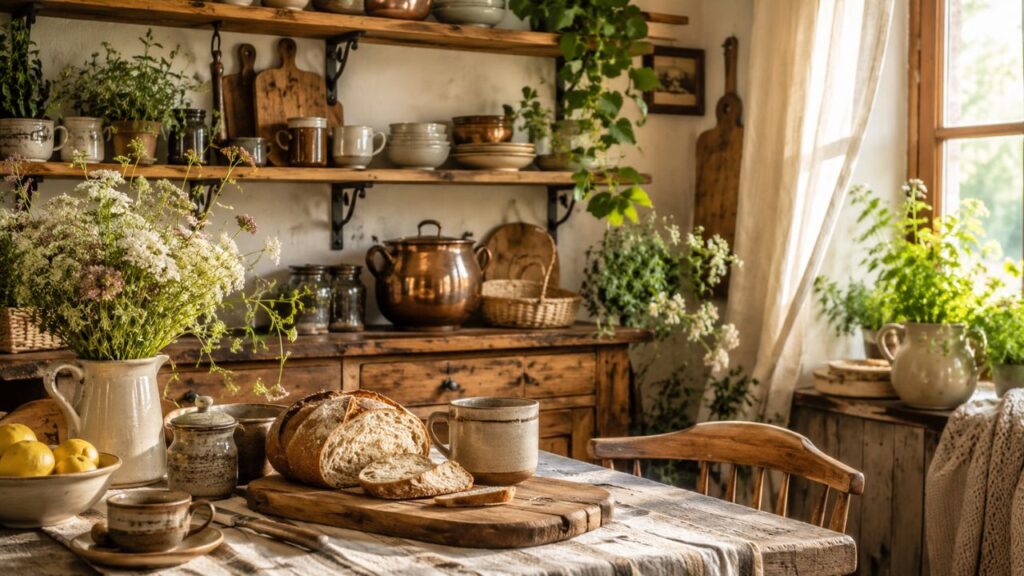
Small apartments can absolutely embrace cottagecore. A reading corner beside a window, floating wooden shelves displaying favourite books, botanical artwork and a carefully selected collection of ceramics often achieve more than attempting to recreate a country cottage in limited space. Working with the home’s existing architecture rather than fighting it almost always produces better results.
Bringing Cottagecore Into Everyday Life
Cottagecore Aesthetic Fashion and décor attract most of the attention, yet lifestyle habits often determine whether cottagecore feels genuine or performative. The aesthetic encourages slowing down enough to appreciate simple routines that are easily overlooked.
That doesn’t mean abandoning modern life or pretending technology doesn’t exist. Instead, it suggests balancing convenience with activities that encourage creativity and mindfulness. Gardening on a balcony, learning basic embroidery, baking once a week or keeping a handwritten journal all reflect cottagecore values without requiring dramatic lifestyle changes.
Cottagecore Aesthetic People often associate cottagecore with constant productivity—always baking, crafting or growing something. Realistically, quiet moments matter just as much. Sitting outside with a book, enjoying tea without distractions or taking a walk through a local park fits the aesthetic just as naturally.
Many people are also drawn to cottagecore because it overlaps with sustainable living. Shopping second-hand, repairing clothing instead of replacing it and choosing quality materials over fast fashion reduce waste while creating a more distinctive personal style. Those habits aren’t merely fashionable—they often save money over time.
Avoiding Common Cottagecore Mistakes
Cottagecore Aesthetic The fastest way to lose the charm of cottagecore is trying too hard. Filling every available surface with vintage decorations creates clutter rather than comfort. Spaces need room to breathe.
Another frequent mistake is buying inexpensive imitations simply because they look rustic. Solid wood, even with visible imperfections, usually develops more character than mass-produced furniture designed to appear aged. Patience often produces better results than impulse shopping.
It’s also worth remembering that cottagecore doesn’t have rigid rules. Some people blend it with minimalist interiors, while others combine vintage dresses with modern trainers. Those personal interpretations keep the aesthetic fresh instead of turning it into a checklist.
If you’re working with a limited budget, prioritise items that affect daily life:
- Invest in quality natural fabrics, comfortable shoes, and timeless wardrobe basics before buying decorative accessories.
- Shop charity stores, estate sales, antique markets and local artisan fairs for unique pieces rather than purchasing matching collections from a single retailer.
The most memorable cottagecore homes and wardrobes usually grow through years of thoughtful collecting rather than a single shopping trip.
Finding Inspiration Without Copying Everyone Else
Cottagecore Aesthetic Platforms like Pinterest and Instagram are excellent for collecting ideas, but they can also encourage people to recreate someone else’s life instead of building their own. Inspiration works best when it becomes a starting point rather than a finished blueprint.
Pay attention to what repeatedly catches your eye. Perhaps you’re drawn to botanical prints more than floral dresses, or maybe rustic kitchens appeal to you more than vintage fashion. Those preferences reveal your personal version of cottagecore.
It also helps to study real countryside homes, traditional gardens and historic textiles instead of relying entirely on social media. Authentic references often contain subtle details that trend-driven content misses, from weathered wooden finishes to practical storage solutions and handmade craftsmanship.
Cottagecore continues to evolve because people adapt it to different climates, budgets and lifestyles. Someone living in a New York apartment and someone restoring a farmhouse can both embrace the same aesthetic while expressing it in completely different ways. That flexibility is one of its greatest strengths.
A thoughtfully curated wardrobe, a welcoming home and meaningful daily habits will always outlast trends built purely around appearance. Cottagecore succeeds when it feels lived in rather than carefully staged.
Frequently Asked Questions
What is the cottagecore aesthetic?
Cottagecore is a fashion and lifestyle aesthetic inspired by rural living, vintage design, handmade craftsmanship and nature. It combines romantic clothing, cosy interiors and slow-living principles to create a warm, peaceful atmosphere.
Can I create a cottagecore look on a budget?
Yes. Thrift stores, flea markets, vintage shops and DIY projects often produce more authentic results than buying everything new. Focus on natural materials and timeless pieces instead of chasing every trend.
What’s the difference between cottagecore and fairycore?
Cottagecore centres on realistic countryside living, vintage fashion and rustic interiors. Fairycore introduces more whimsical elements, including fantasy themes, brighter colours, mushrooms, butterflies and magical woodland imagery.
Is cottagecore still fashionable?
Yes. While the social media hype has become less intense, cottagecore has matured into a lasting style because it overlaps with sustainable fashion, vintage shopping and comfortable home design rather than relying on short-lived trends.
Which colours work best for cottagecore?
Soft greens, cream, ivory, warm brown, dusty rose, muted blue, butter yellow and earthy neutrals form the foundation of most cottagecore wardrobes and interiors because they reflect natural landscapes and traditional materials.